


Is it Bad if Your Joints Are Always Cracking?
- Ricky Clark
- Jul 19, 2022
- 3 min read

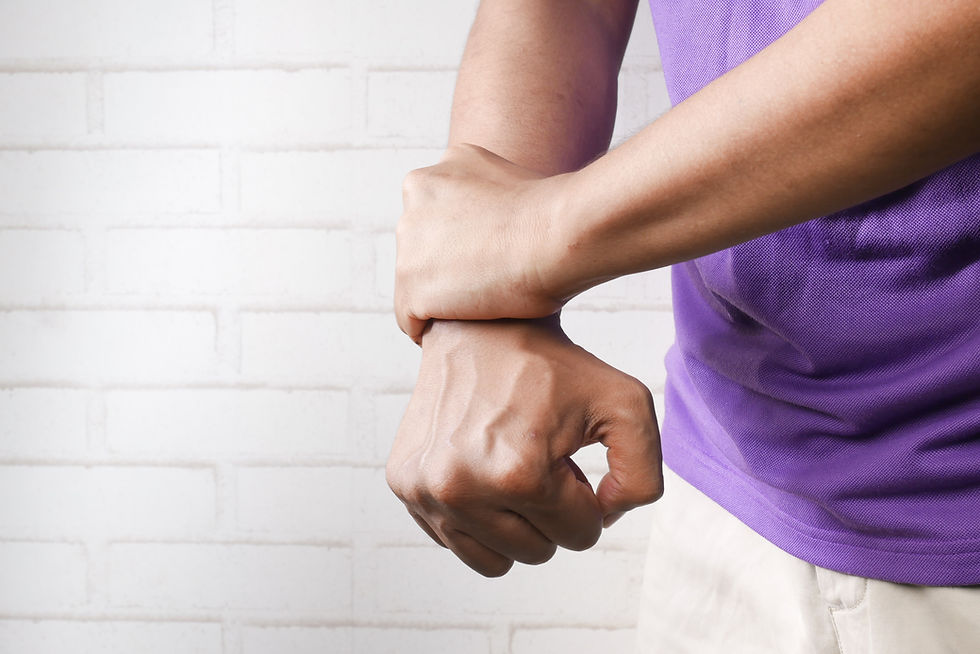
Many patients are concerned about the amount of popping, snapping, cracking, and popping they do throughout the day.
Most often patients will tell you that they are unable to do certain movements or exercise due to the noises their joints make.
Although it is alarming, most snapping and cracking noises are harmless and have nothing to do with developing arthritis or degeneration.
It is well known that most sounds from joints are just the compression of air bubbles within our joints.
Calcium deposits in the tendons can cause other sounds by sliding over joints' bones. It's not something to worry about as long as you don't feel any pain when the actual popping, crackling, or snapping occurs.
This article will discuss the most common causes of noisy joints and how it can affect joint health.
Why Do Our Joints Pop? (Crepitus)
Crepitus is a term used in chiropractic and orthopedic medical circles to describe the clicking, popping or crackling sound that occurs in a joint.
As is usual, joint popping happens when nitrogen gas moves in the joint.
Crepitus is most commonly found in the knees. However, it can also occur in other joints such as the elbow, shoulder and neck.
A sign of injury or wear and tear is crepitus that causes pain, heat, or swelling. If crepitus becomes even more severe, consult your doctor.
Most crepitus is benign, but some crepitus can indicate a problem. To rule out a problem, consult a doctor if the popping or crunching sounds are accompanied by pain.
There are several possible causes for painful joint popping:
Osteoarthritis is a form of arthritis in which abnormal movement, trauma, or lack thereof results in cartilage and joint structure wearing down. This leaves bones exposed and causes inflammation. It causes stiffness and pain when bones rub together, which can lead to bone grinding and friction.
Patellofemoral pain Syndrome (PFS: Also known by runner's knee (also called runner's knee), PFS causes crepitus and pain behind the kneecap (patella). This can occur when you increase your activity level. It is most commonly caused by running, jumping or squatting.
Broken cartilage: An accident, sports injury or a fall can cause a cartilage tear. Another possible cause of painful crepitus is cartilage damage. High quality collagen peptides are one of the best ways to help cartilage.
What Can You Do About Noisy Joints?
Most cracking, snapping, and popping sounds are harmless.
Only move the joints that you wish to keep.
To reduce cracking, your joints will become more lubricated the more you move.
Longitudinal research has disproved any fear of arthritis resulting from cracking joints (including cracking your knuckles). However, cracking could be a sign that you need more movement.
Consider Side Lunges or Air Squats if your knees feel 'creaky'.
Try a hip-flexor, hip-flexor and hamstring stretch to improve your hip popping.
Windmills, arm swings, and side bending with your arms extended are all good options for snapping shoulders.
If you are concerned, there are additional diagnostics and treatments available
Consider having an orthopedic/medical exam if you are experiencing pain, swelling, or discomfort.
Chiropractors can conduct a physical exam of the joint(s) concerned, or refer to your doctor to include additional testing like:
Xray
MRI scan
CT scan
Blood tests - A sample of your blood will be tested for signs of inflammation and infection.
Antibody tests to determine if you have rheumatoid or other autoimmune conditions that could be causing your symptoms


Comments